A Visit That Turned Into a Test
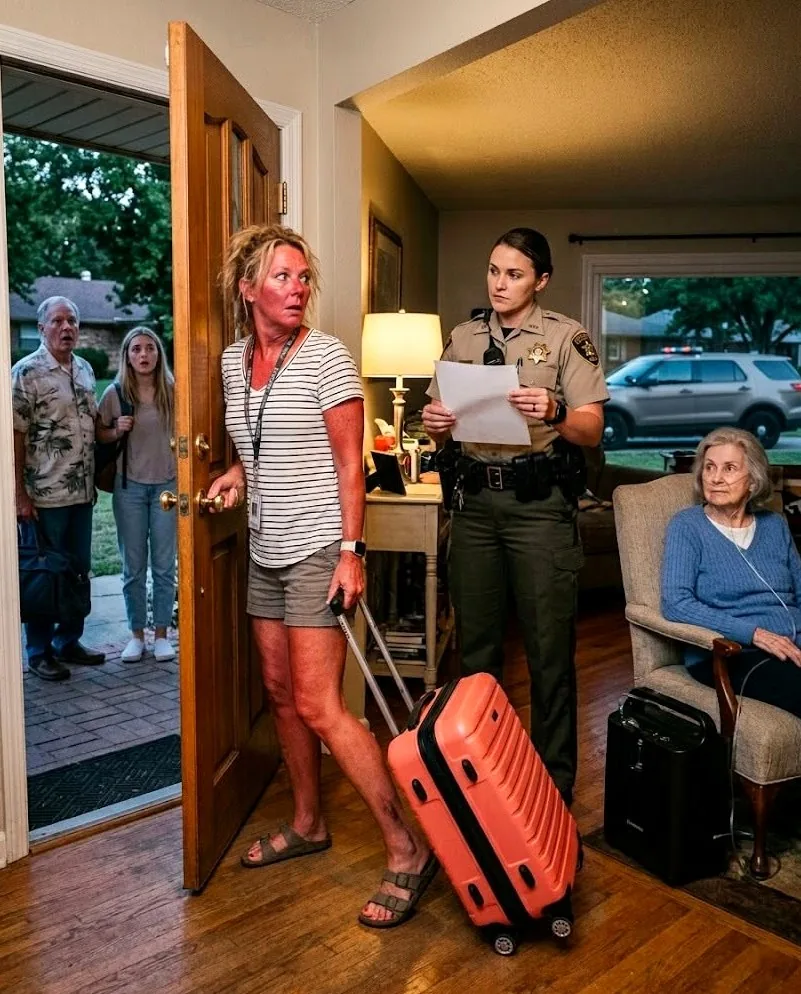
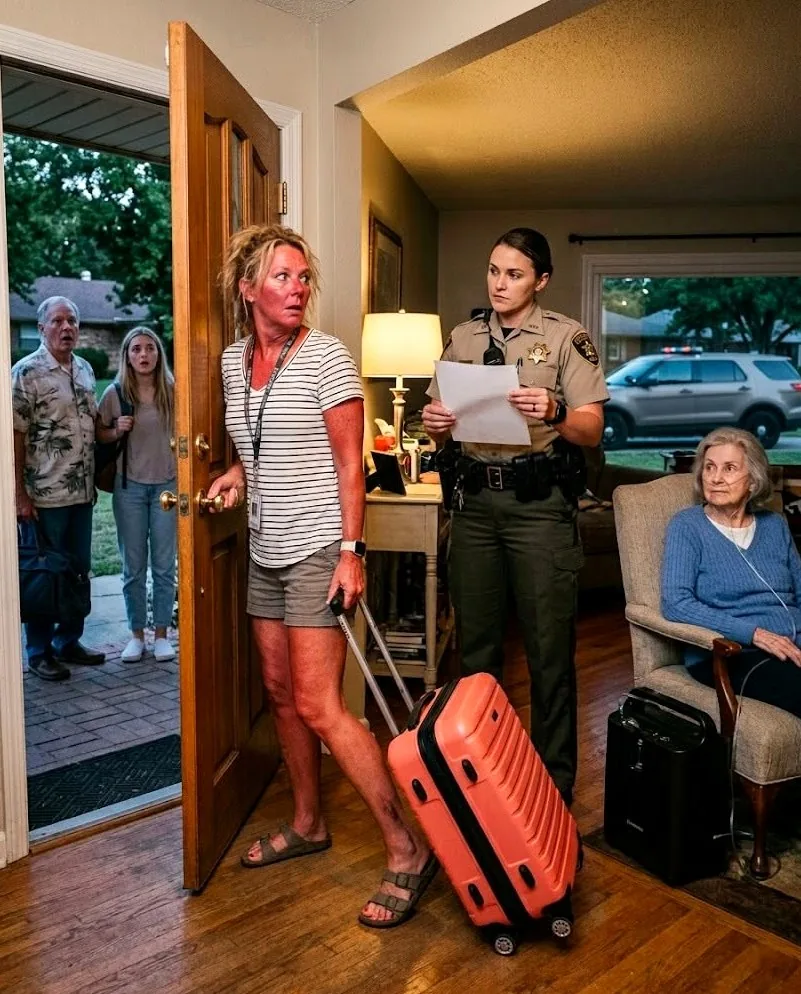
My parents had traveled for fourteen exhausting hours on a Greyhound bus, carrying homemade peach preserves, an old cooler, and a prime rib my father had saved for a special dinner. They arrived tired but hopeful, believing they were coming to share a warm family moment in the home they had helped make possible.
Instead, they were met by my mother-in-law, Susan, who looked them over as if they were strangers interrupting her afternoon. She barely acknowledged them before pointing toward the basement and telling them that was where they could sleep.
My husband, Ethan, stood there and said nothing.
That silence told me more than any argument ever could.
The House My Parents Helped Buy
Susan had been living with us for two weeks, acting as though she owned every room. She criticized my curtains, rearranged my pantry, and spoke as if she had the final say in everything. But what she did not know was that this house had been purchased in cash by my parents. Every brick, every room, every polished floor had come from their years of sacrifice.
My father had worked nights, taken side jobs, and given up comforts so I could have a stable future. My mother cleaned offices after teaching preschool, quietly helping me build the life I wanted. This home was not just a house. It was the result of their love, discipline, and endless support.
“We don’t need anything fancy,” my mother said softly, already trying to keep the peace.
But the issue was never about fancy. It was about dignity.
The Moment Everything Changed
I had already prepared the guest room. Fresh sheets were on the bed, towels were folded neatly, and flowers sat by the lamp because I knew my mother liked thoughtful touches. There was no reason for anyone to sleep in the basement.
Still, Susan insisted the better room should be saved for another relative who would arrive later. Ethan backed her up, asking me not to start anything and saying we had to “prioritize family.”
That was when I realized I had been trying to protect a marriage that was already failing me.
My father, exhausted and embarrassed, said the basement was fine if it would avoid trouble. Hearing him offer to accept disrespect just to keep the peace nearly broke my heart. He had spent a lifetime giving me everything he could, and now he was willing to shrink himself again for my comfort.
- My parents arrived with love, not complaints.
- The guest room was already ready for them.
- Susan wanted control, not comfort for anyone else.
The Envelope on the Table
Instead of arguing, I walked to the hallway, opened the drawer where I kept important documents, and took out the envelope my attorney had told me never to lose. When I returned, the room had gone quiet. Ethan recognized it immediately.
I set the envelope on the coffee table and looked directly at Susan.
“Read the deed,” I said.
For the first time, Susan looked uncertain. Ethan looked worried. My parents said nothing, though I could feel their surprise. The power in the room had shifted completely, and everyone knew it.
What Susan had mistaken for weakness was actually patience. What Ethan had mistaken for silence was actually a boundary waiting to be drawn.
The truth was simple: the people she had tried to humiliate were the reason she was standing in that house at all.
A Quiet Kind of Justice
I did not need to shout. I did not need to make a scene. The deed said everything that needed to be said. My parents had earned their place there through years of sacrifice, and no amount of attitude could change that.
In that moment, I understood that respect cannot be demanded by loud voices or forced through entitlement. It is revealed by how people treat the quiet, generous ones they think have no power.
Summary: Susan tried to push my parents into the basement, but she had insulted the wrong family. When I placed the deed on the table, the truth came out—and with it, the end of the silence I had been living with for far too long.